Vosges sandstone
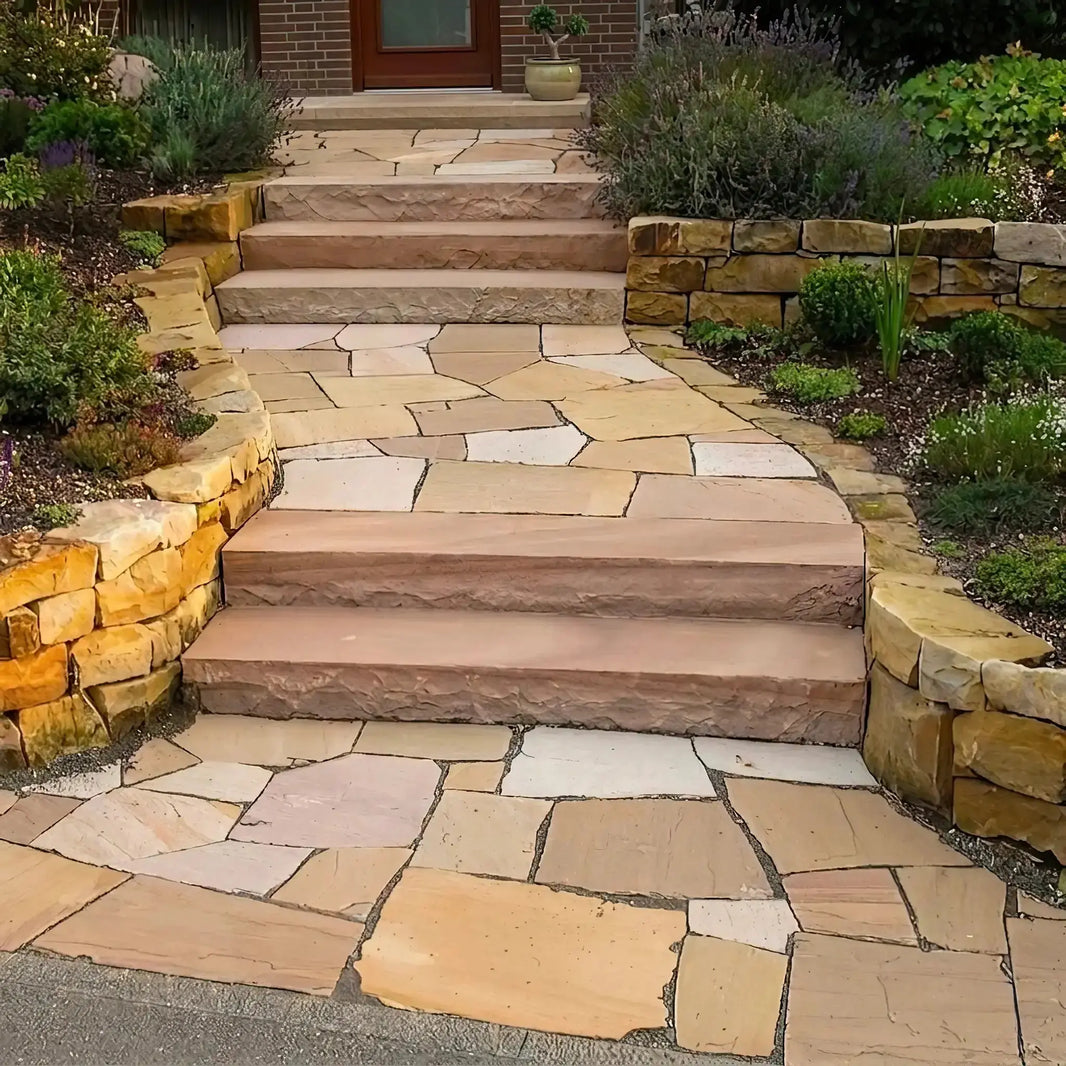
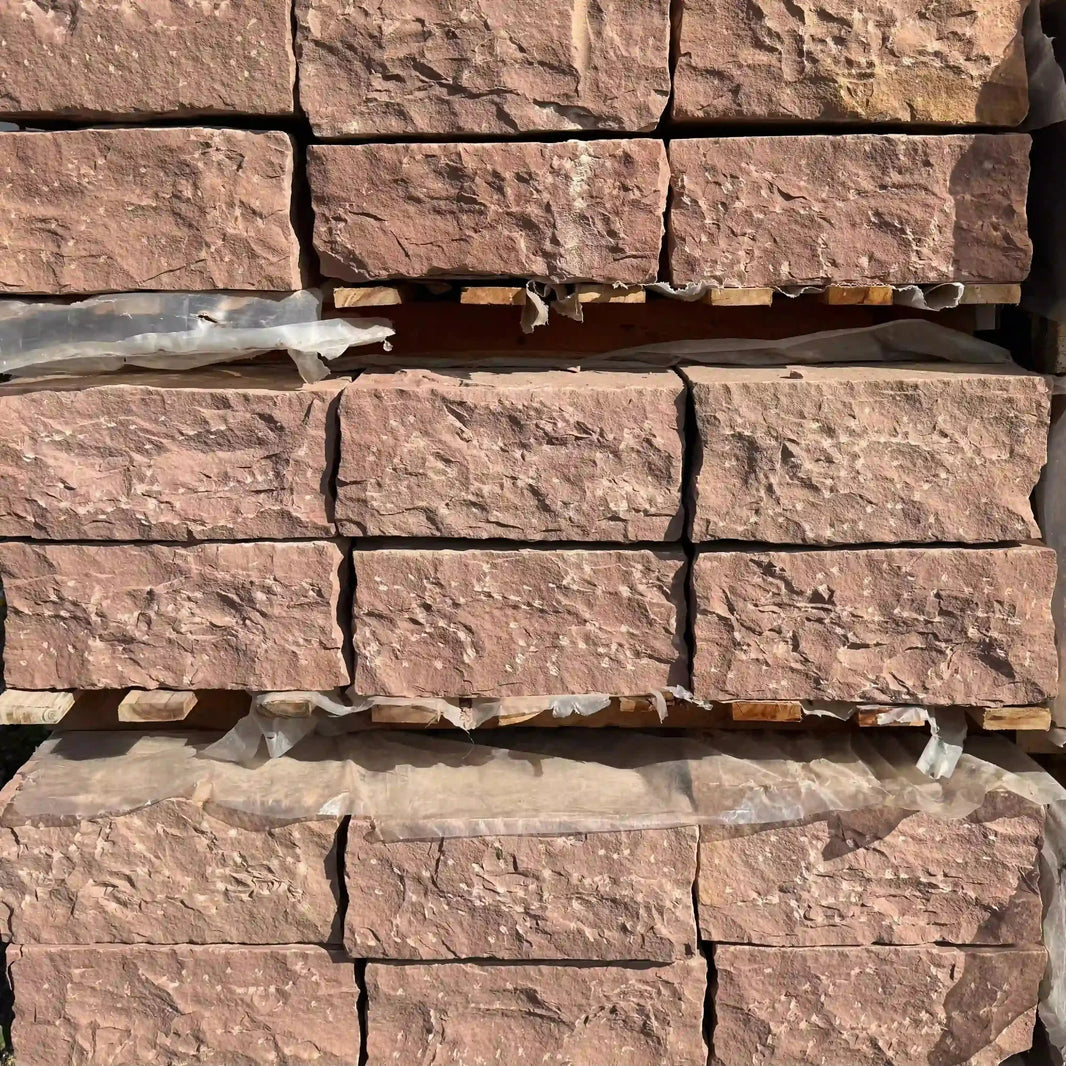
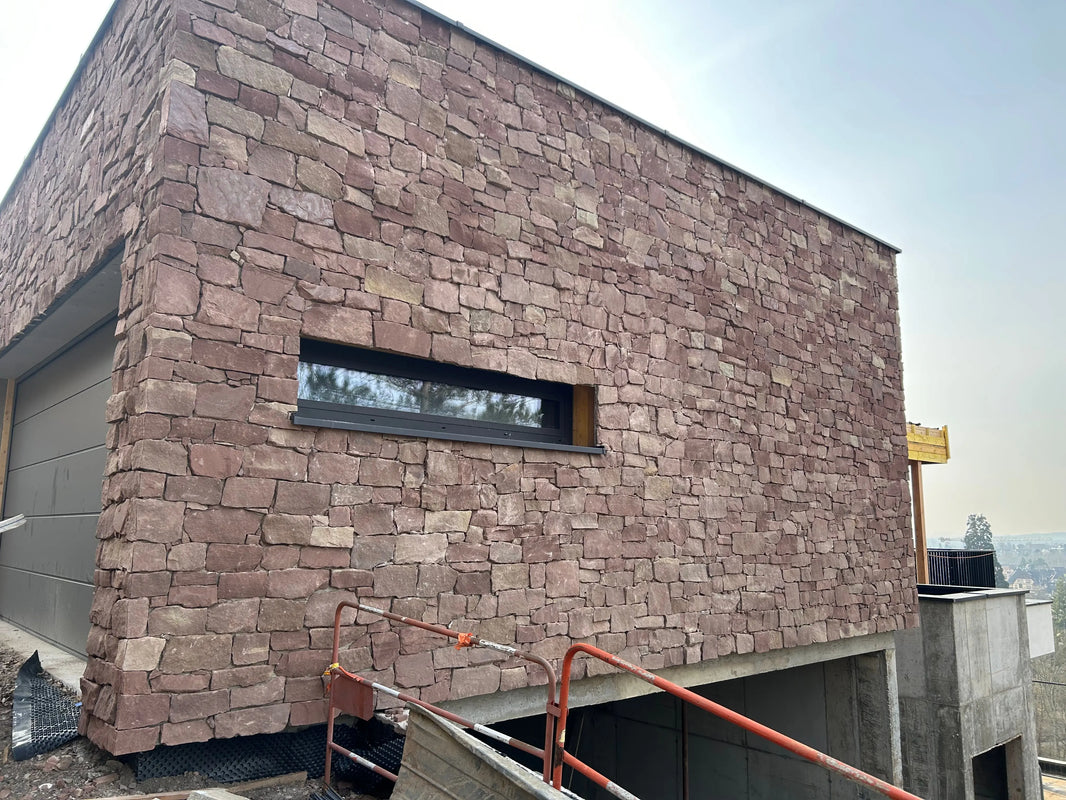
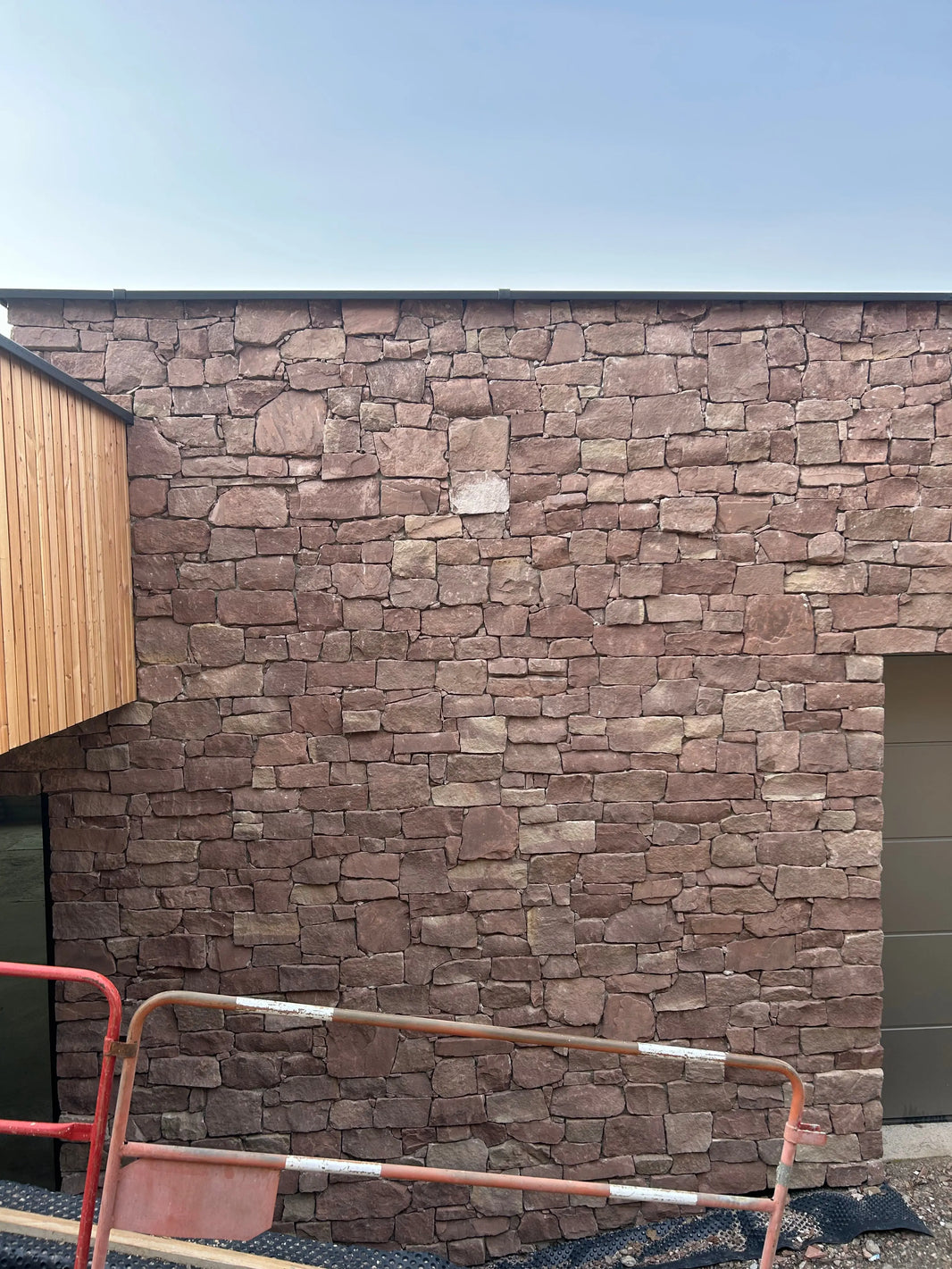
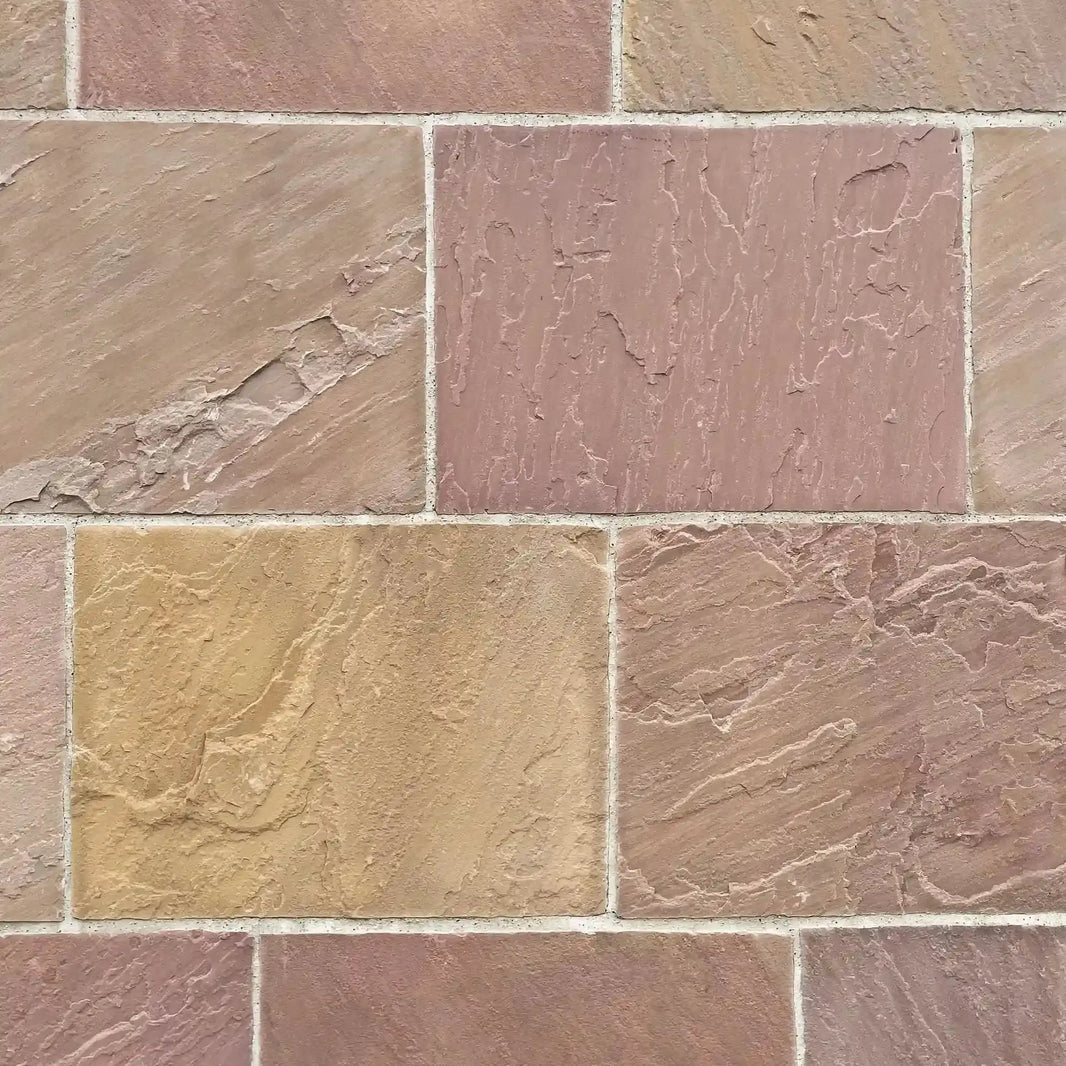
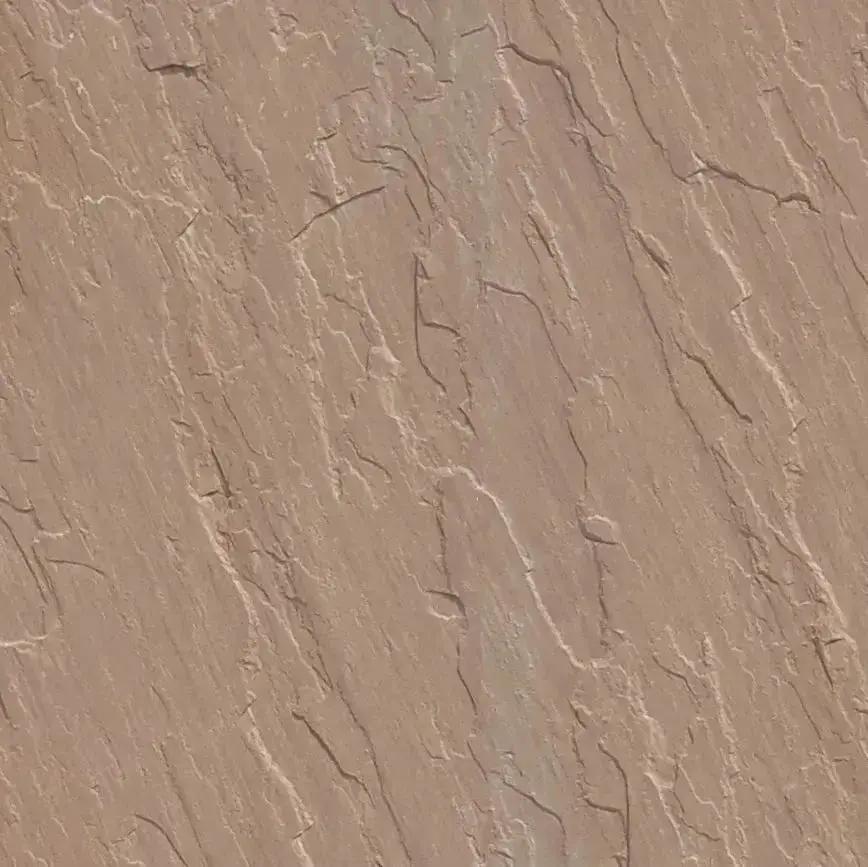
Vosges sandstone is an emblematic natural stone from Eastern France, recognized for its nuanced shades ranging from beige to pink.
This page presents references in Vosges sandstone as well as stones with similar tones, selected to offer coherent alternatives in the same aesthetic spirit, depending on your budget, format, or usage constraints.
-
Upon request 🇫🇷 -
Online exclusiveCobblestonesDORATO Sandstone Cobbles
4.9 / 5.0
(10) 10 total reviews
Regular price From 32,30€ /sqmFrom 32,30€ /sqm Sale priceUnit price /sqm / per -
Upon quotation 🇫🇷 -
Step block
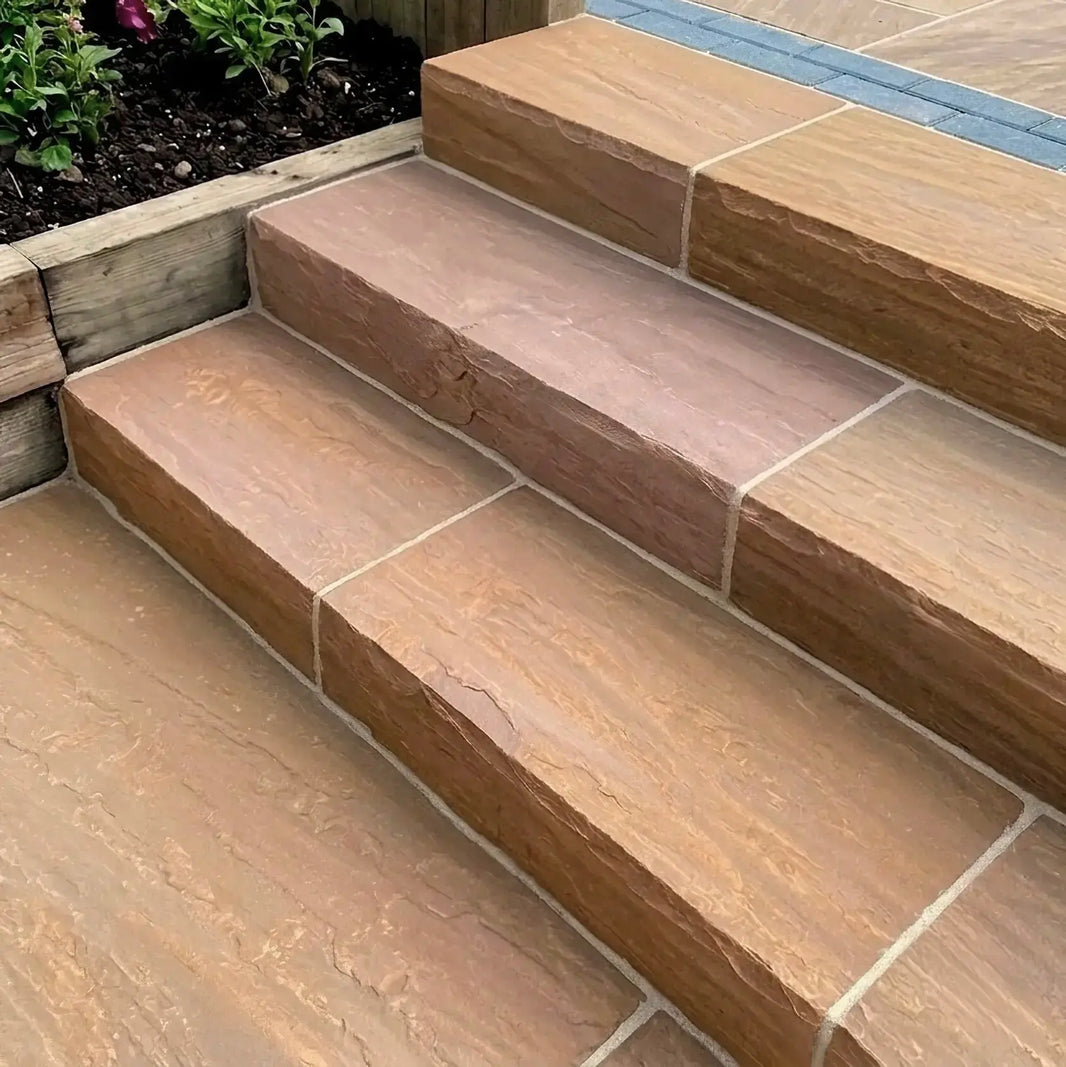
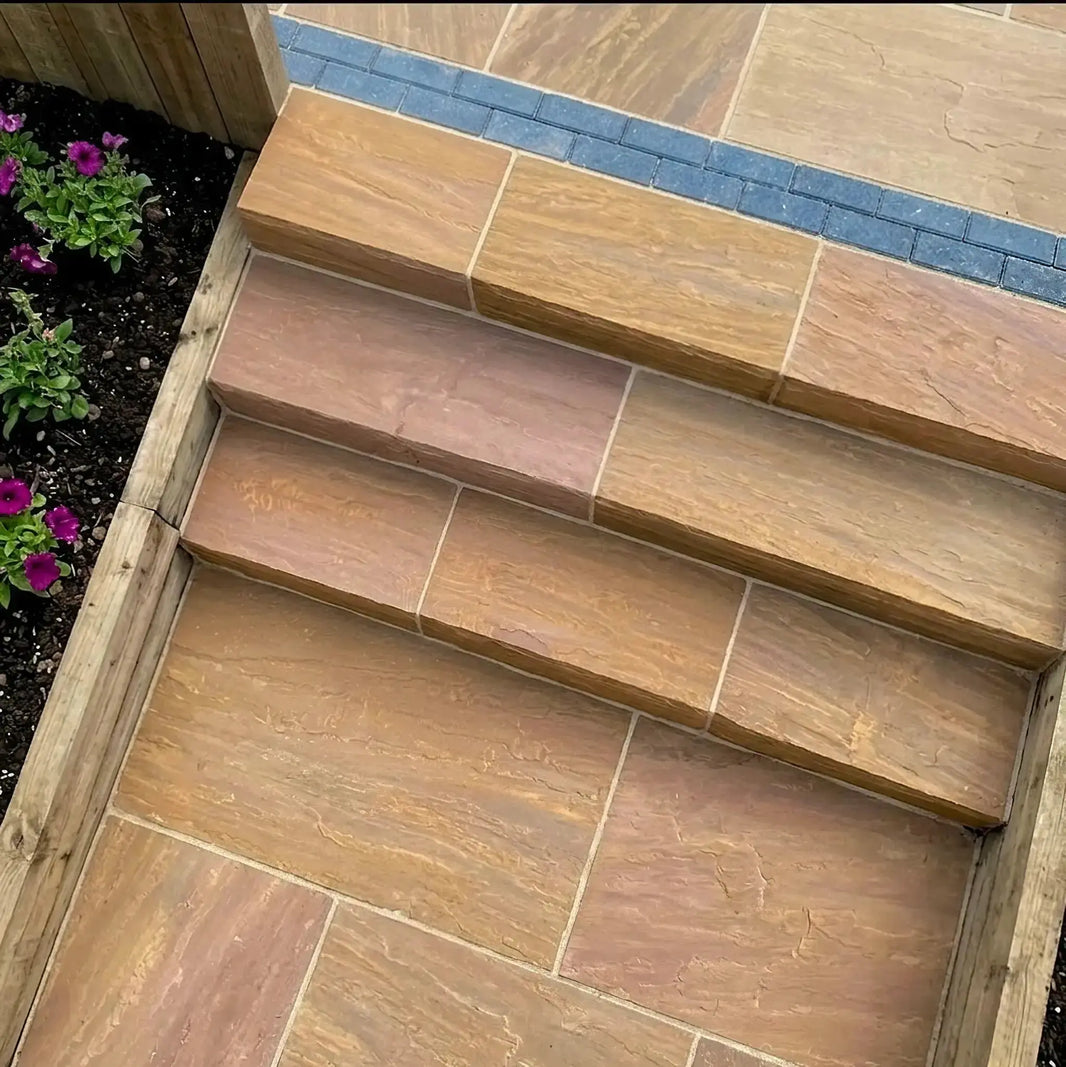
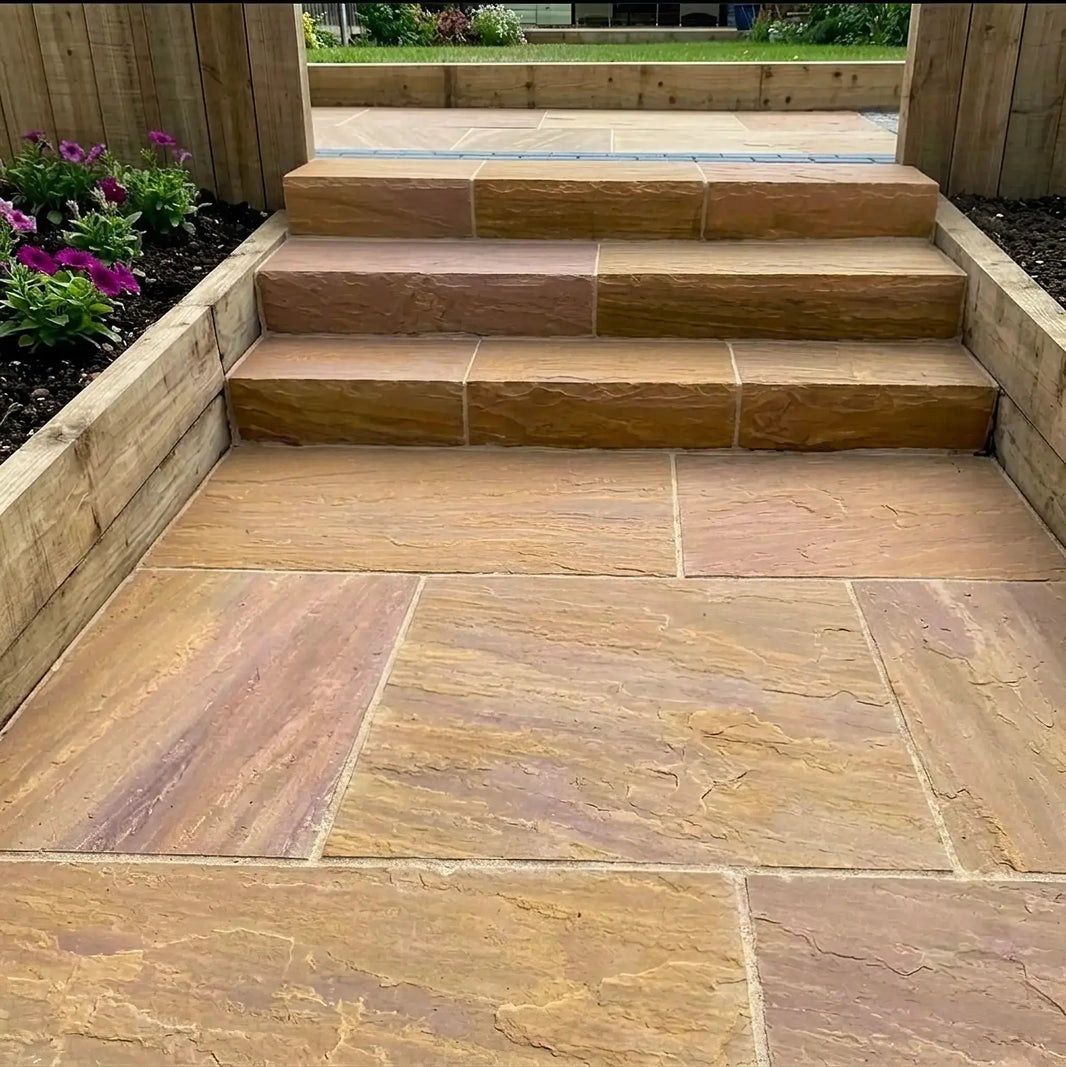
DORATO Sandstone Block Step
Regular price From 115,00€ /pieceFrom 115,00€ /piece Sale priceUnit price /piece / per -
Upon quotation 🇫🇷
-
Upon request 🇫🇷
-
🇫🇷 Available to orderWall / Interior & Exterior
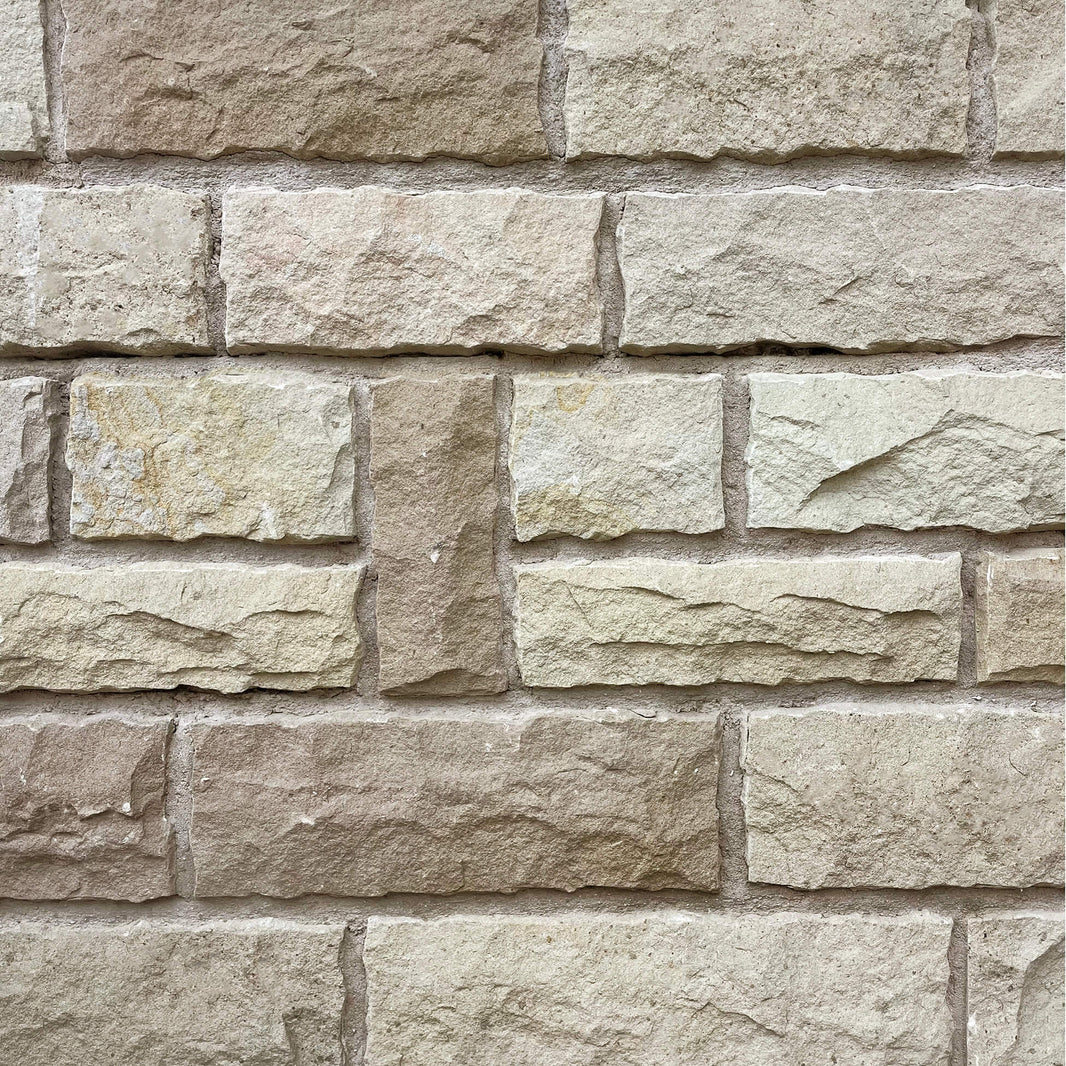
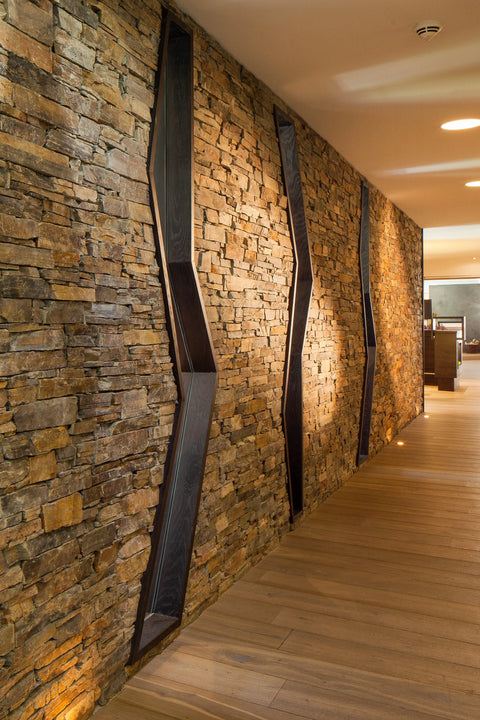
Vosges Sandstone Cladding + Corners
Regular price From 165,00€ /sqmFrom 165,00€ /sqm Sale priceUnit price /sqm / per -
Upon request 🇫🇷
-
Upon request 🇫🇷
-
Floor / Outdoor
DORATO Sandstone Paving
5.0 / 5.0
(6) 6 total reviews
Regular price From 58,90€ /sqmFrom 58,90€ /sqm Sale priceUnit price /sqm / per -
Floor / Outdoor
AUTUMN BROWN Sandstone Paving
Regular price 87,90€ /sqm87,90€ /sqm Sale priceUnit price /sqm / per -
Available to orderRubble stone / Building stone
Vosges Sandstone Rough Rubble Stone
Regular price 289,00€ /sqm289,00€ /sqm Sale priceUnit price /sqm / per -
Palisade
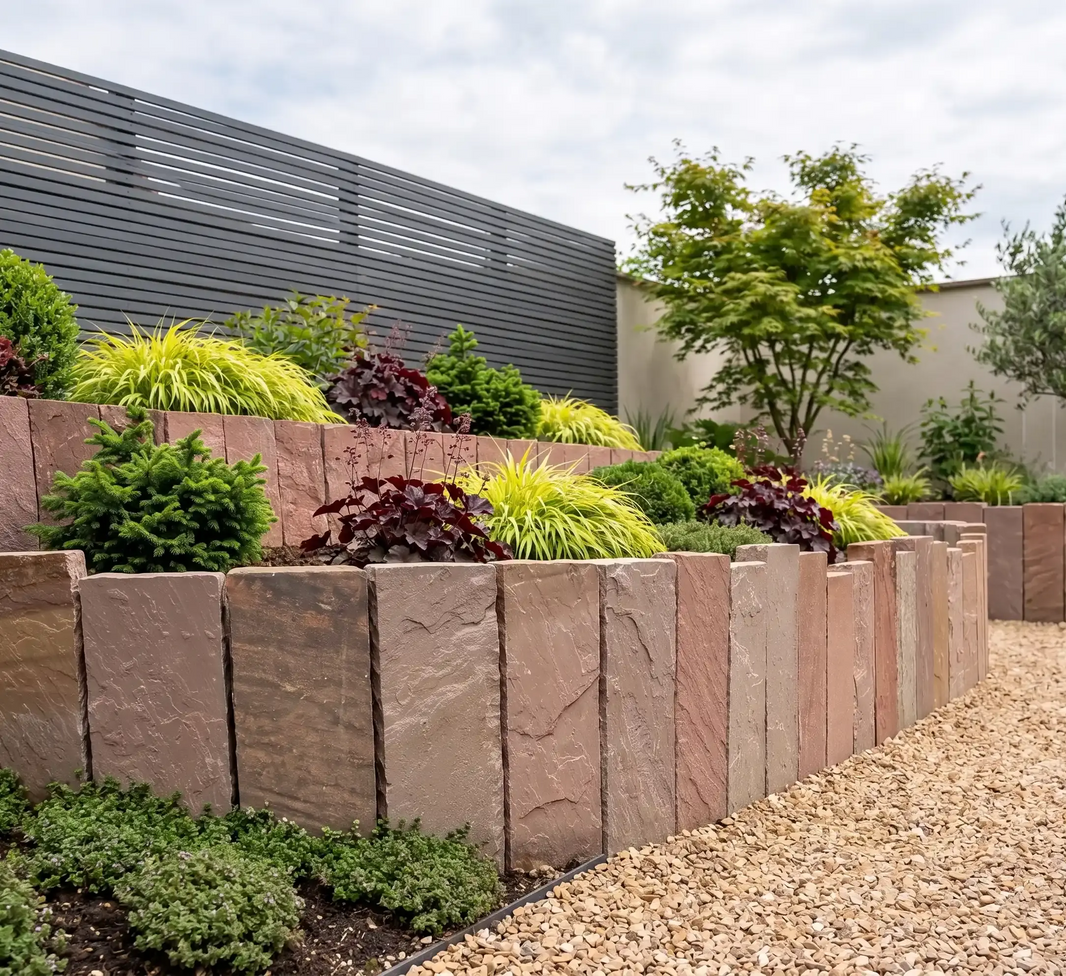
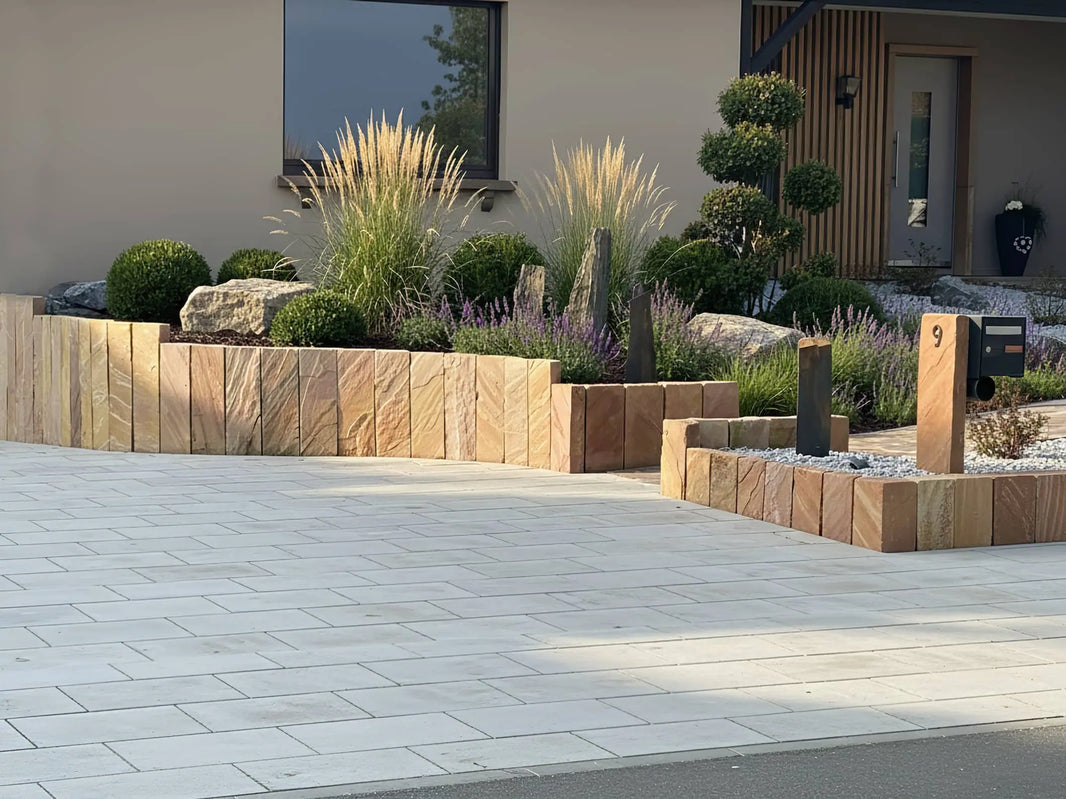
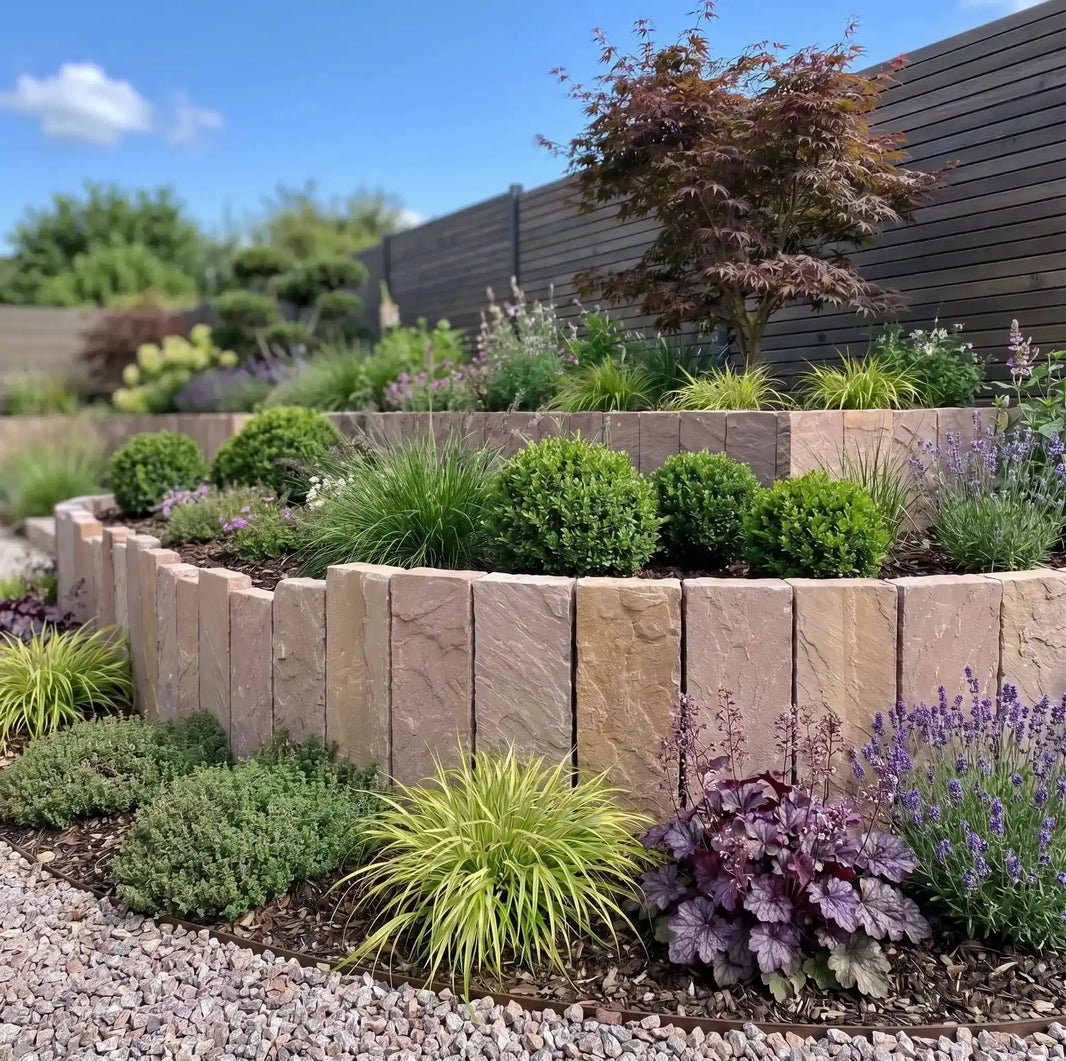
DORATO Sandstone Palisade
5.0 / 5.0
(8) 8 total reviews
Regular price From 22,50€ /pieceFrom 22,50€ /piece Sale priceUnit price /piece / per -
Border
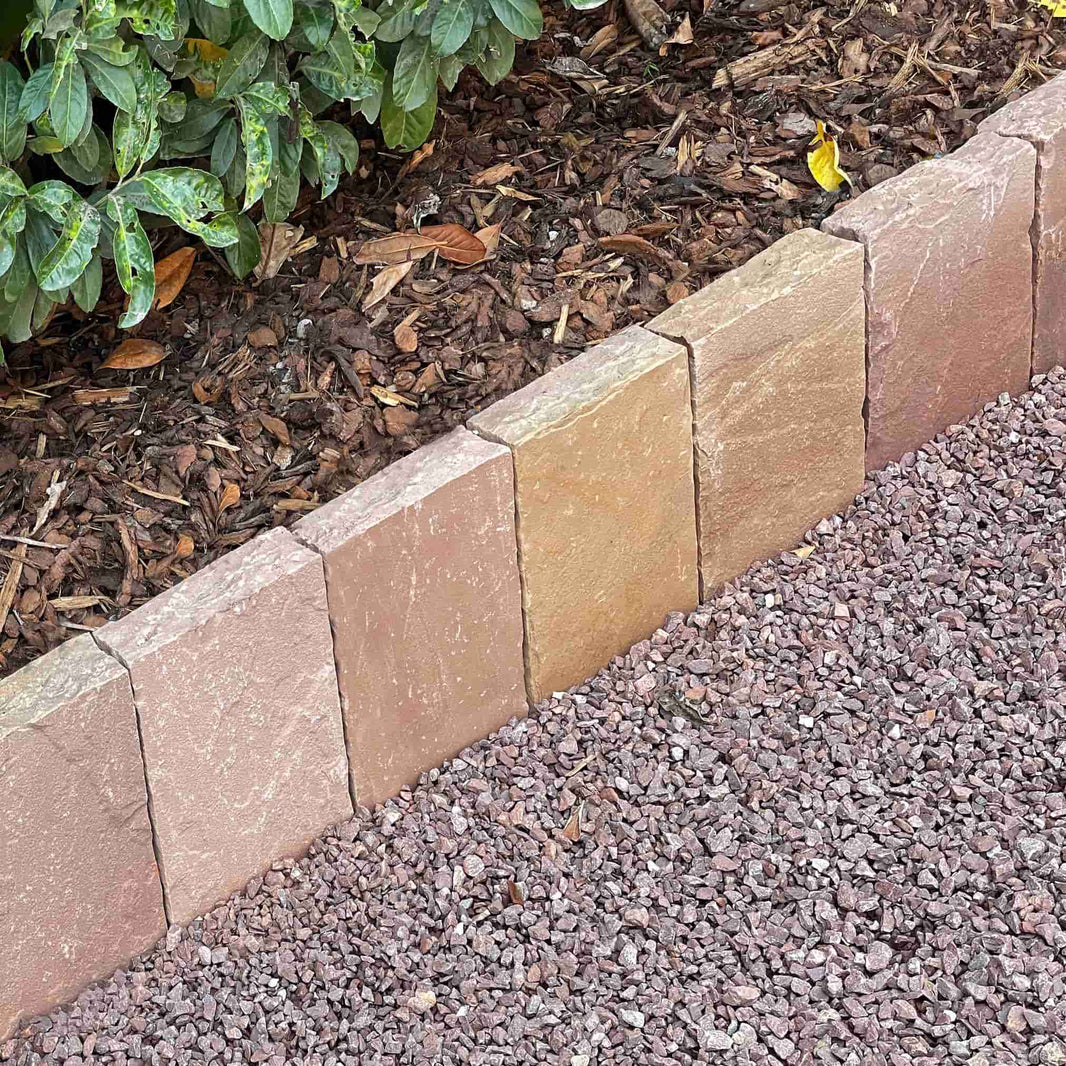
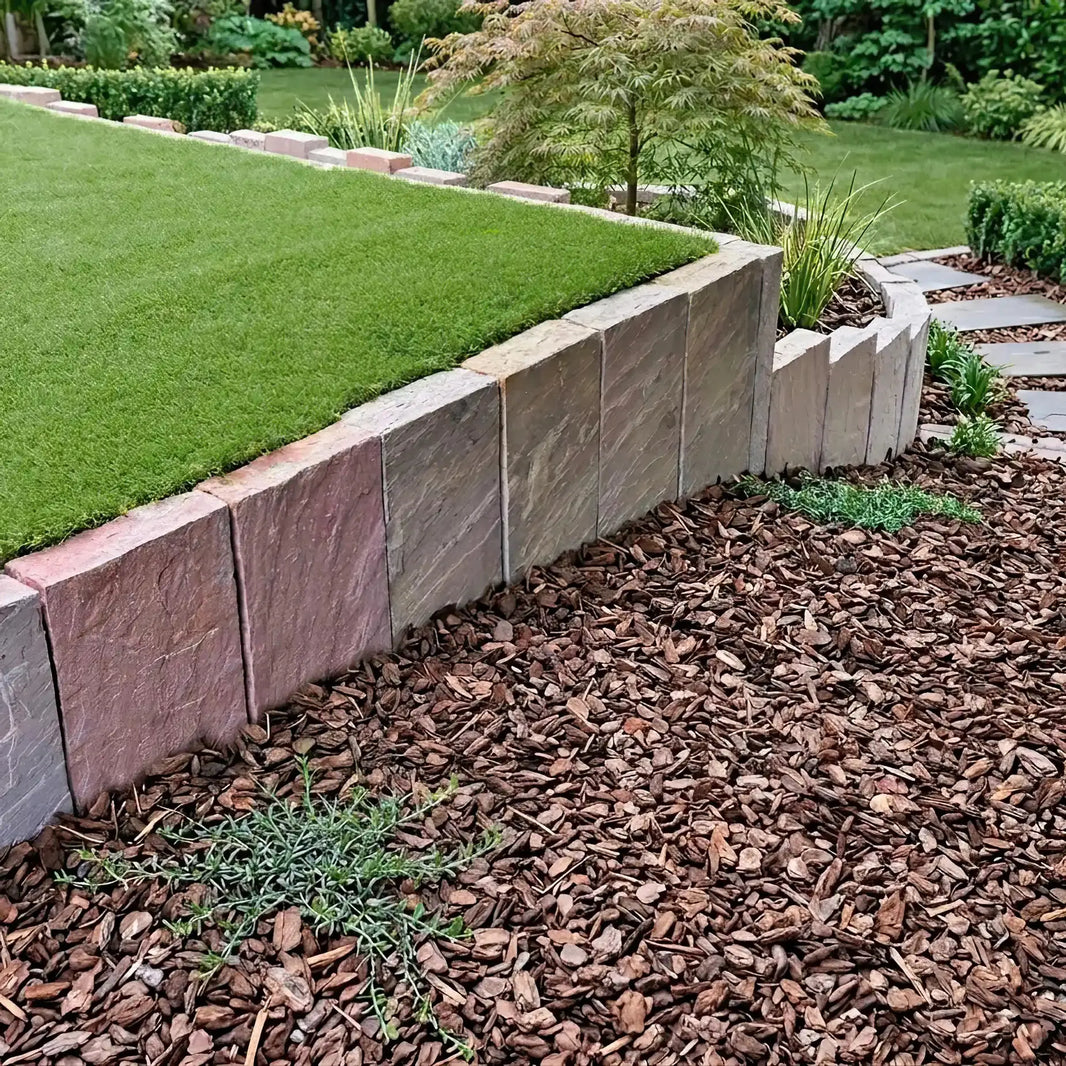
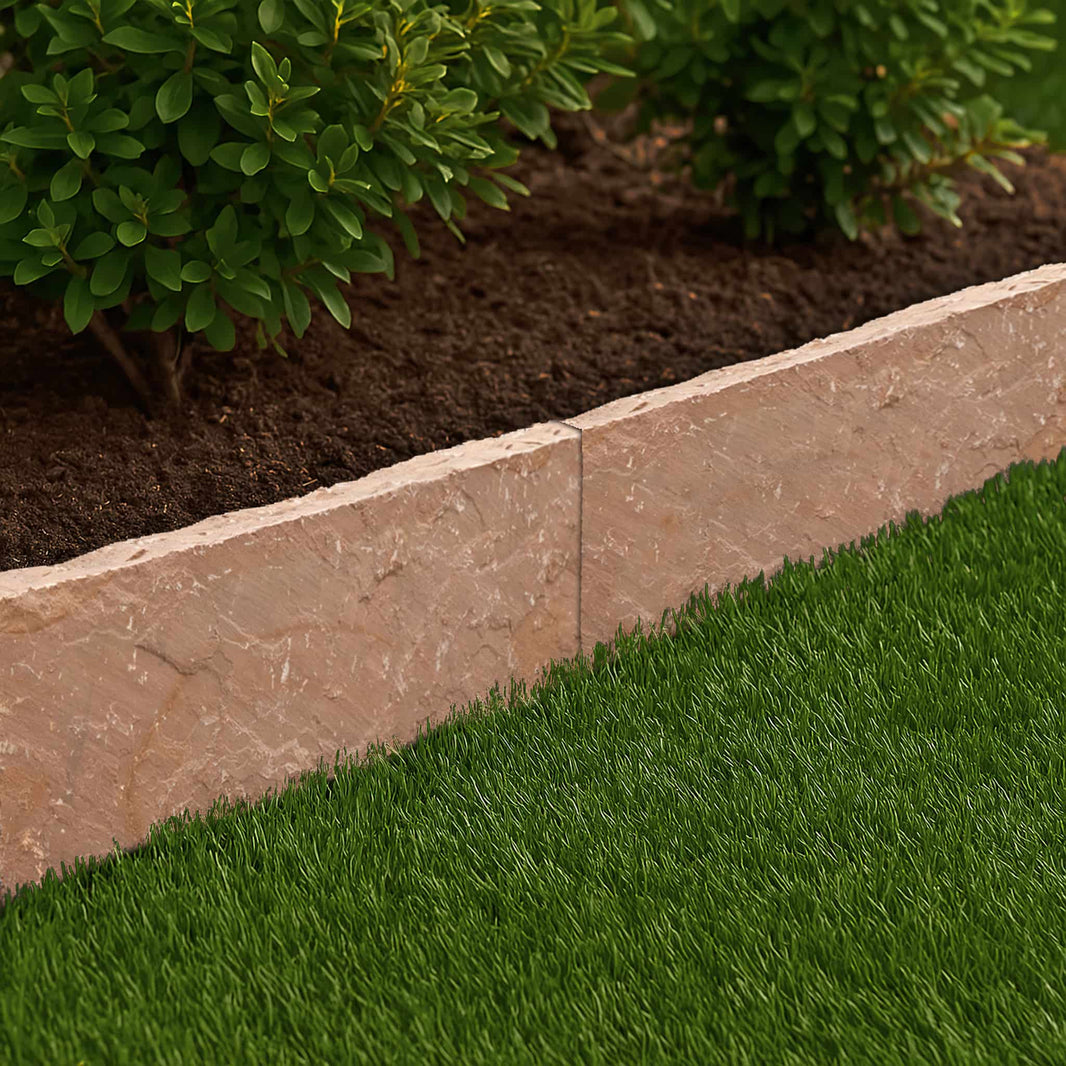
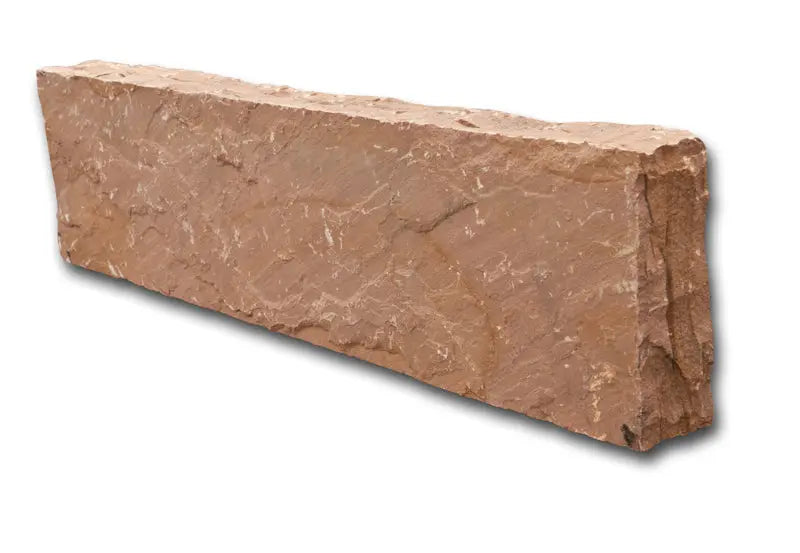
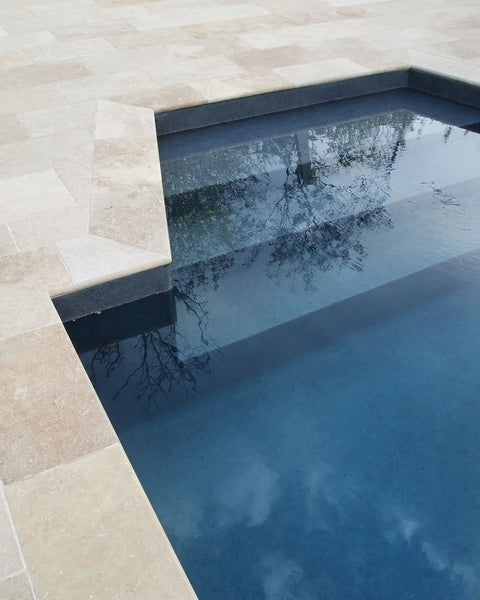
DORATO Sandstone Edging
5.0 / 5.0
(8) 8 total reviews
Regular price 19,50€ /piece19,50€ /piece Sale priceUnit price /piece / per -
Privacy screen
DORATO Sandstone Privacy Screen
Regular price From 57,50€ /pieceFrom 57,50€ /piece Sale priceUnit price /piece / per -
Gravel
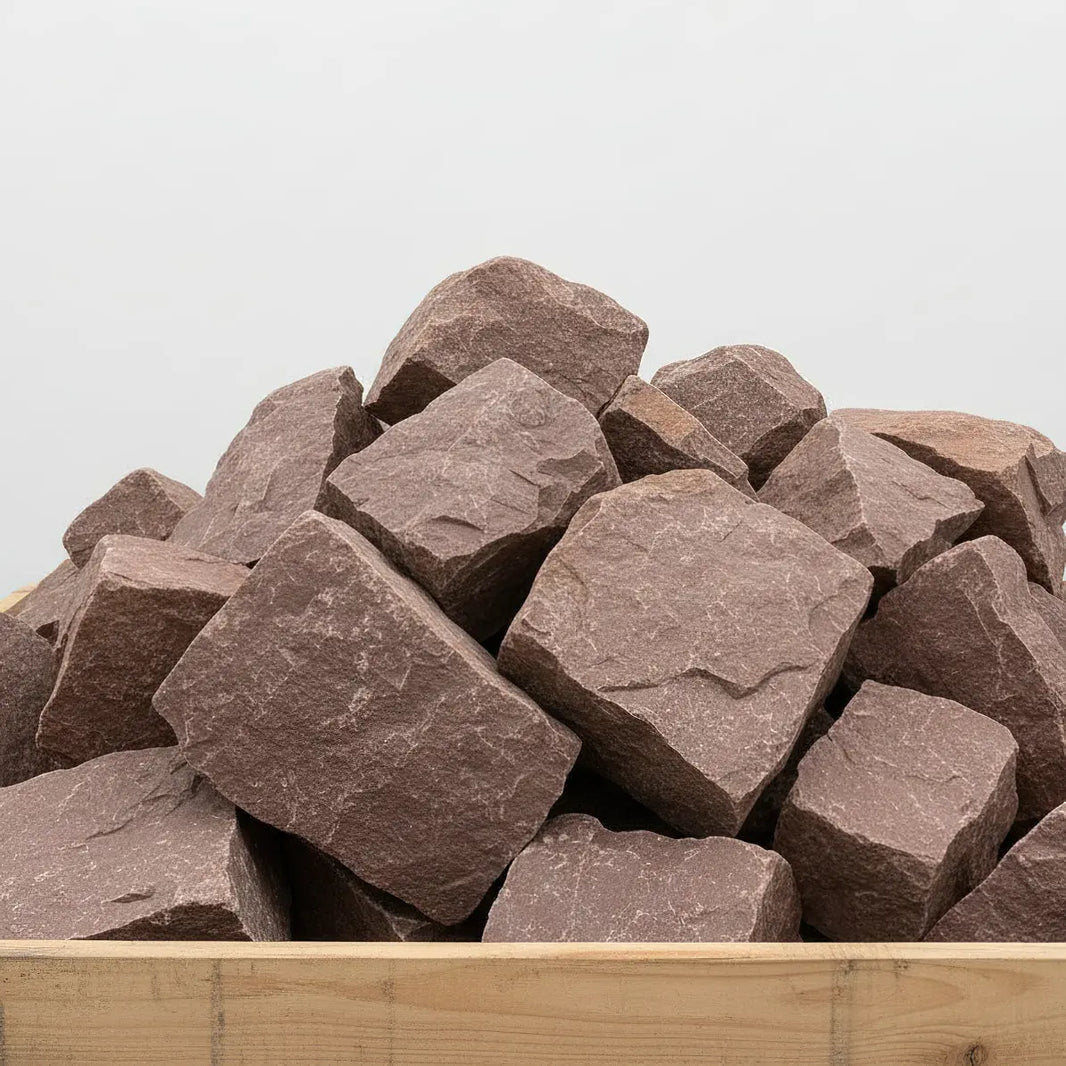
Red Quartzitic Sandstone Crushed Gravel - 8/11 mm
Regular price From 89,90€ /pieceFrom 89,90€ /piece Sale priceUnit price /piece / per -
Gravel
Red Quartzitic Sandstone Crushed Gravel - 16/22 mm
Regular price From 89,90€ /pieceFrom 89,90€ /piece Sale priceUnit price /piece / per -
Stones for gabions
Red Quartzite Sandstone
Regular price 225,00€ /m³225,00€ /m³ Sale priceUnit price /m³ / per -
Decorative rock
Red Quartzitic Sandstone - Mixed Sizes
Regular price 325,00€ /pallet325,00€ /pallet Sale priceUnit price /pallet / per -
Decorative rock
Red Quartzitic Sandstone - Large Boulders
Regular price 285,00€ /pallet285,00€ /pallet Sale priceUnit price /pallet / per -
Upon quotation 🇫🇷
Vosges sandstone: an ideal natural stone for outdoor landscaping
Originating from the natural formations of the Vosges mountains, Vosges sandstone is one of the traditionally used stones in Eastern France, particularly in Alsace and Lorraine. It can be found in many old constructions, where its color and resistance have stood the test of time.
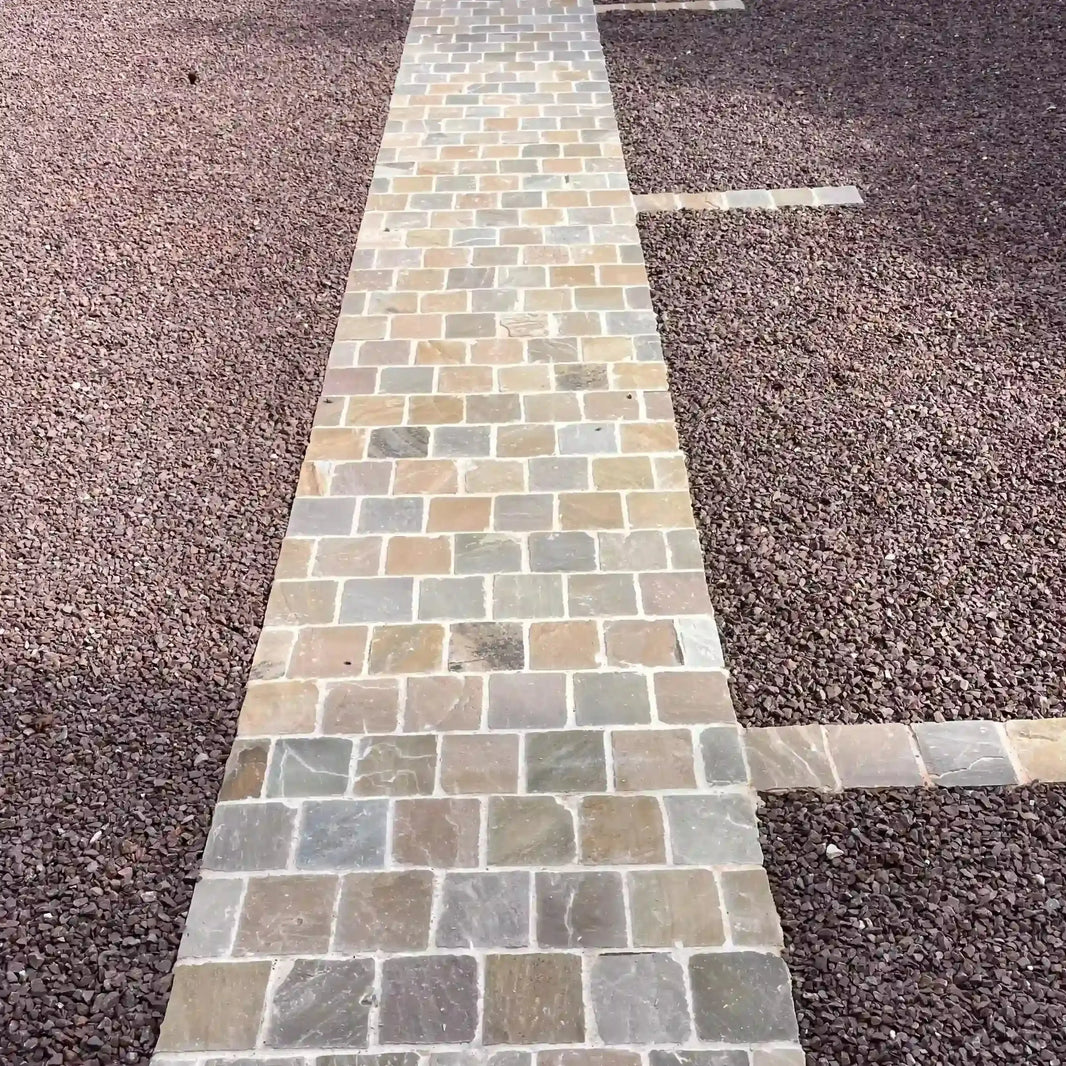
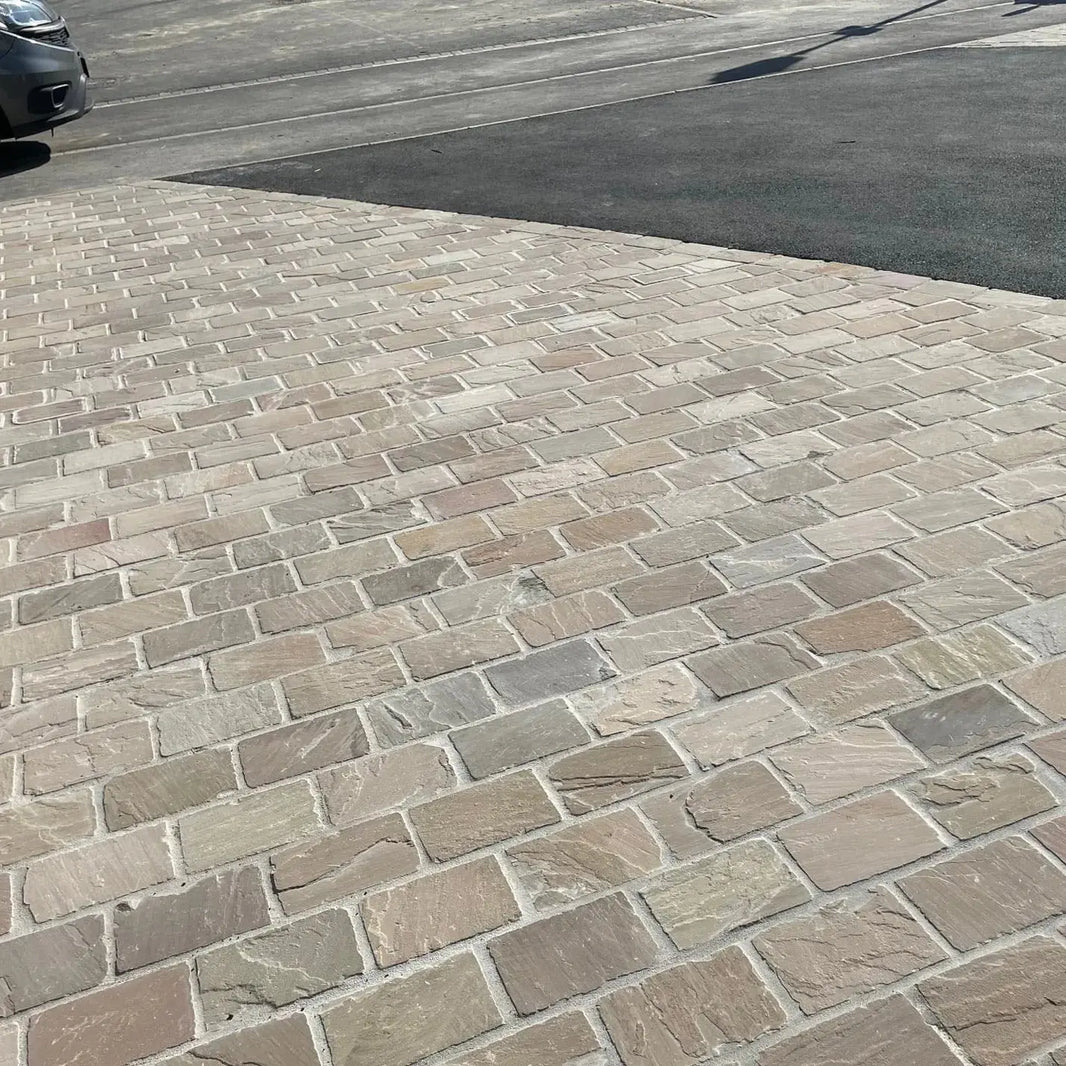
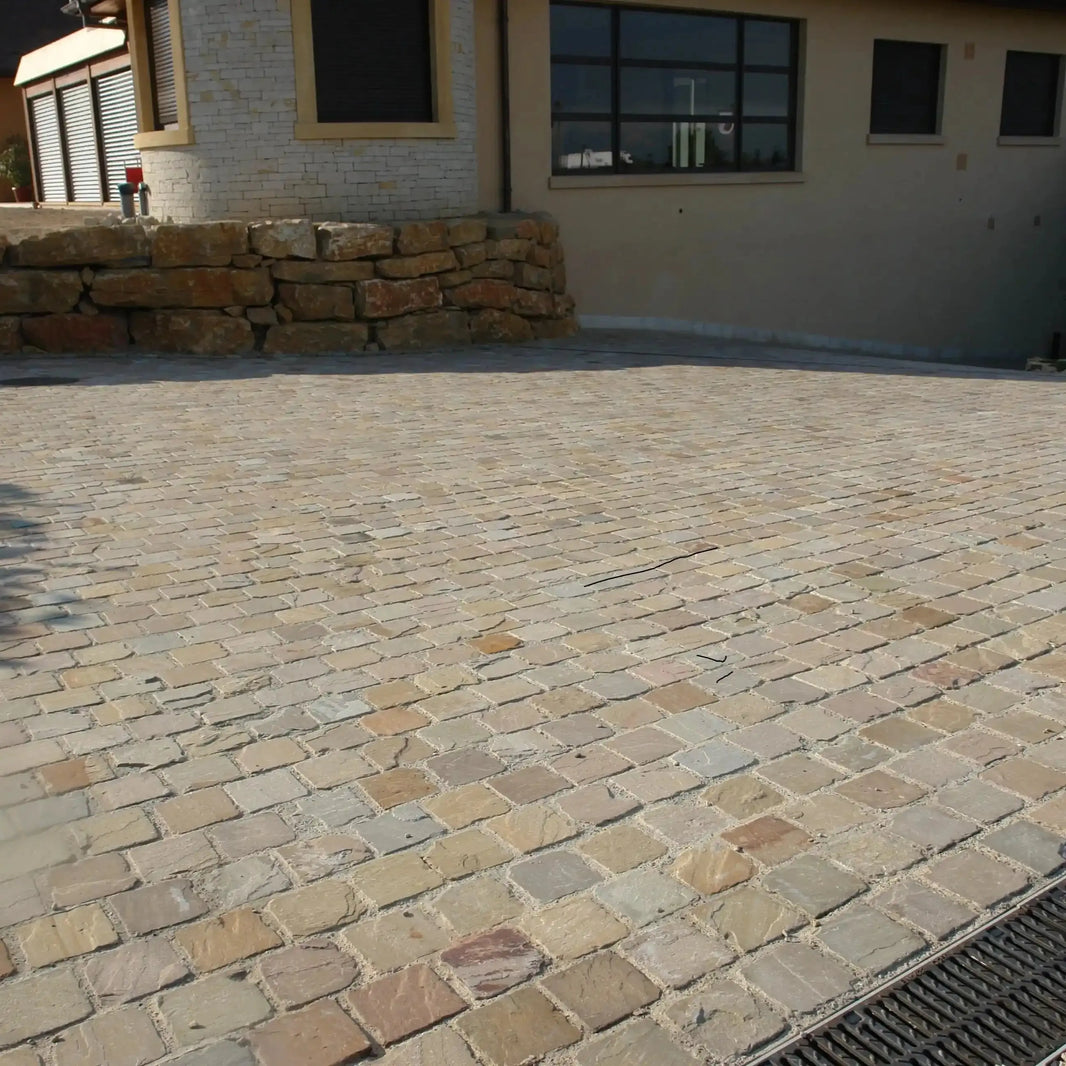
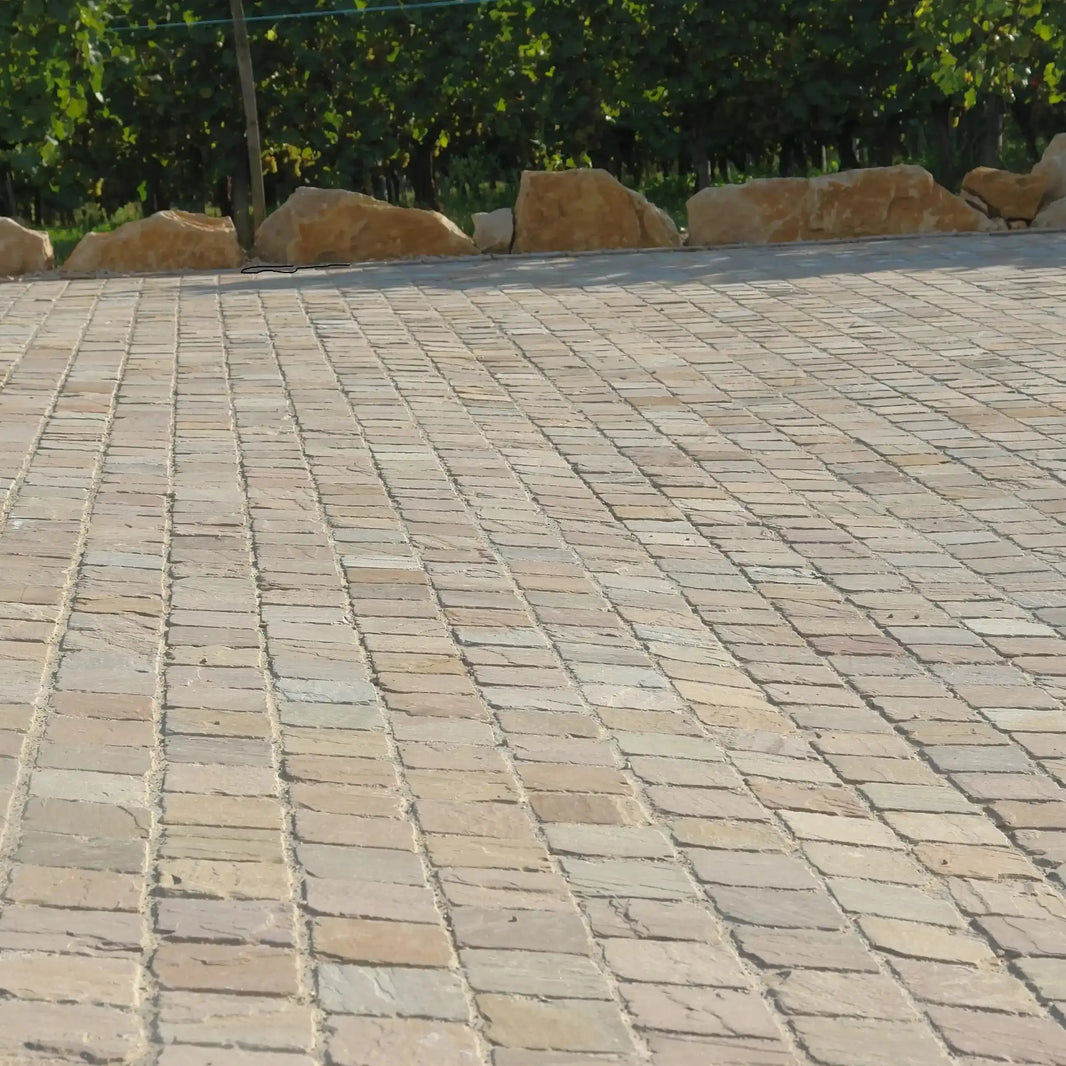
Used for centuries for paving stones, curbs, and outdoor landscaping, it is particularly suitable for terraces, driveways, and gardens, thanks to its strength and its behavior in varying climatic conditions.
Even today, this type of stone is sought after for its natural appearance and its ability to blend into various environments, whether traditional or contemporary.
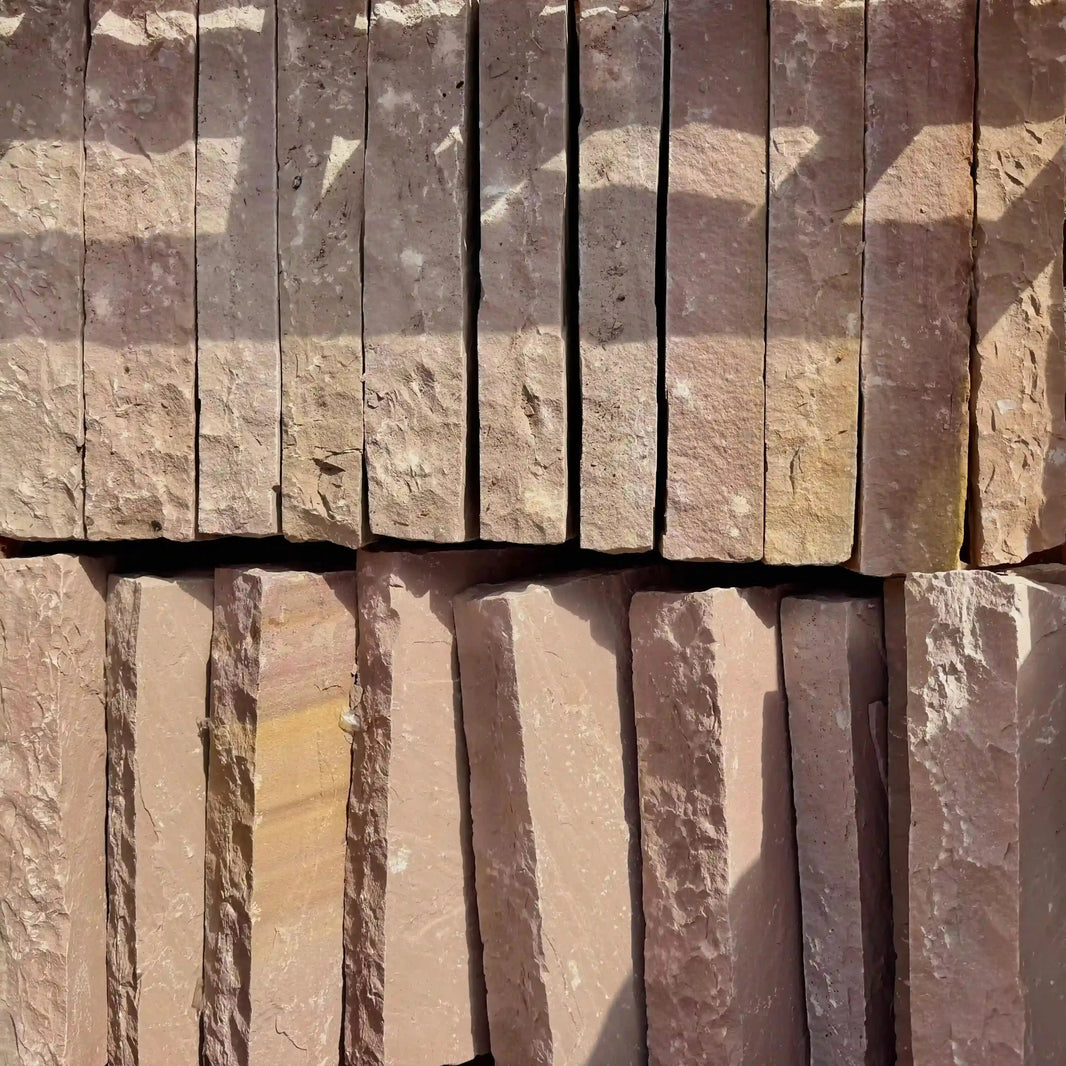
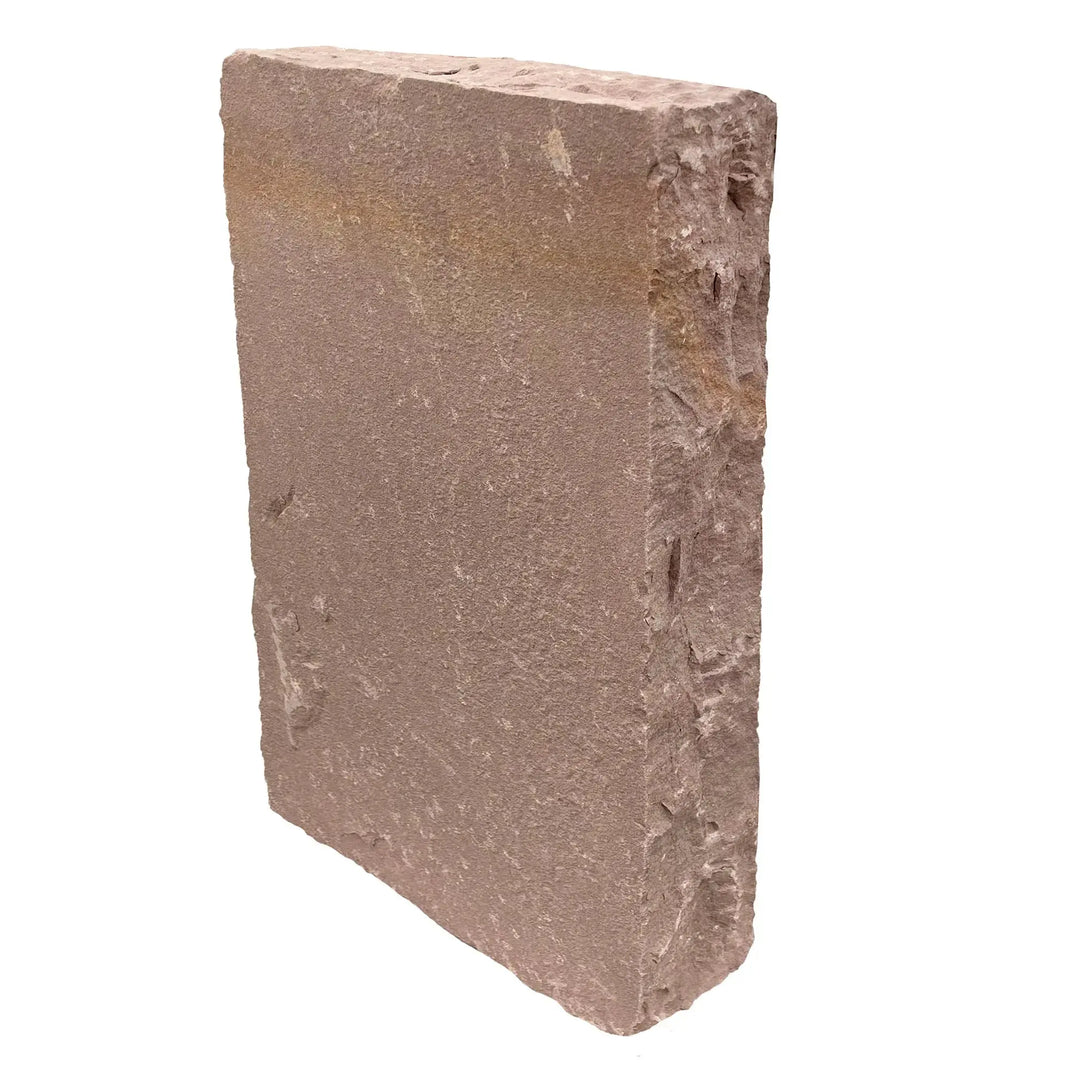
Vosges sandstone is a natural stone from the Vosges massif, used for centuries in eastern France, notably in Alsace and Lorraine. It is a sedimentary rock composed mainly of consolidated sand grains, which gives it its characteristic texture and shades ranging from beige to pinkish.
It is traditionally found in many old structures, particularly for pavers, borders, steps and outdoor landscaping. Its strength makes it a material suited to high-traffic areas such as paths, courtyards or the surroundings of a house.
Sandstone and granite can be found in the same regions, notably in eastern France. In the Vosges massif, for example, both Vosges sandstone and Vosges granite are found, originating from different geological formations.
A different geological origin
- Sandstone is a sedimentary rock, formed by the accumulation and consolidation of grains of sand over time.
- Granite is an igneous rock, resulting from the slow cooling of magma deep underground.
👉 These two stones can therefore coexist in the same area, but do not come from the same formation process.
A location linked to the terrain
In the Vosges, this difference is often reflected in the landscape:
- sandstone is generally found on gentler terrain or on the outskirts of the massif
- granite is found rather at the heart of the massif, in older and more compact areas
👉 This explains why, in the same region, you can find buildings made of sandstone and others made of granite.
Complementary uses
Historically, the choice between sandstone and granite depended as much on local availability as on the properties of the stone:
- sandstone, easier to work, was used for architectural elements and landscaping
- granite, denser, was preferred for uses requiring high resistance
👉 Even today, these two stones remain complementary:
sandstone for its natural and traditional look, granite for its technical performance.
Yes, sandstone is a naturally strong stone that withstands outdoor conditions well, including frost, rain and temperature changes.
This is one of the reasons why it has long been used in outdoor landscaping.
Yes, sandstone is frequently used for paths, house entrances and vehicle-accessible areas.
In the form of pavers, it makes it possible to create durable installations capable of withstanding repeated traffic.
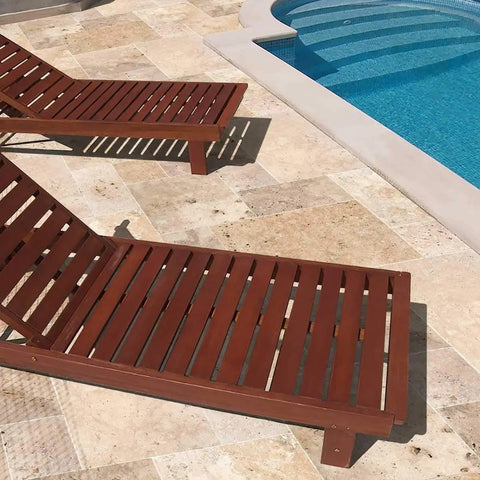
The sandstone is a natural stone particularly well suited to outdoor terraces thanks to its resistance to bad weather and temperature variations.
Its slightly textured surface offers good grip, making it a relevant choice for outdoor living areas.
The sandstone paver is designed for traffic areas such as paths or vehicle access.
The sandstone slab, wider and more regular, is used for terraces and relaxation areas.
The choice therefore depends mainly on the use and the look you want.
In some projects, it may be worthwhile to turn to imported natural stones with more stable technical characteristics than some traditional sandstones.
Some references, such as Dorato sandstone, offer for example a lower porosity (around 3%), versus 10 to 15% on average for Vosges sandstone.
This difference has a direct impact on everyday use:
- less water retention
- limited growth of moss and dirt
- easier upkeep over time
These stones also make it possible to achieve more regular or contemporary finishes, which can sometimes be difficult to achieve with older or heterogeneous materials.
👉 The result:
you stay true to the spirit of natural sandstone, while benefiting from:
- better durability
- superior ease of maintenance
- and often a better quality / price ratio
These imported materials make it possible to create pavers, paving or outdoor landscaping with a similar look, while being available in stock immediately.